Thank you! Your submission has been received!
Oops! Something went wrong while submitting the form.
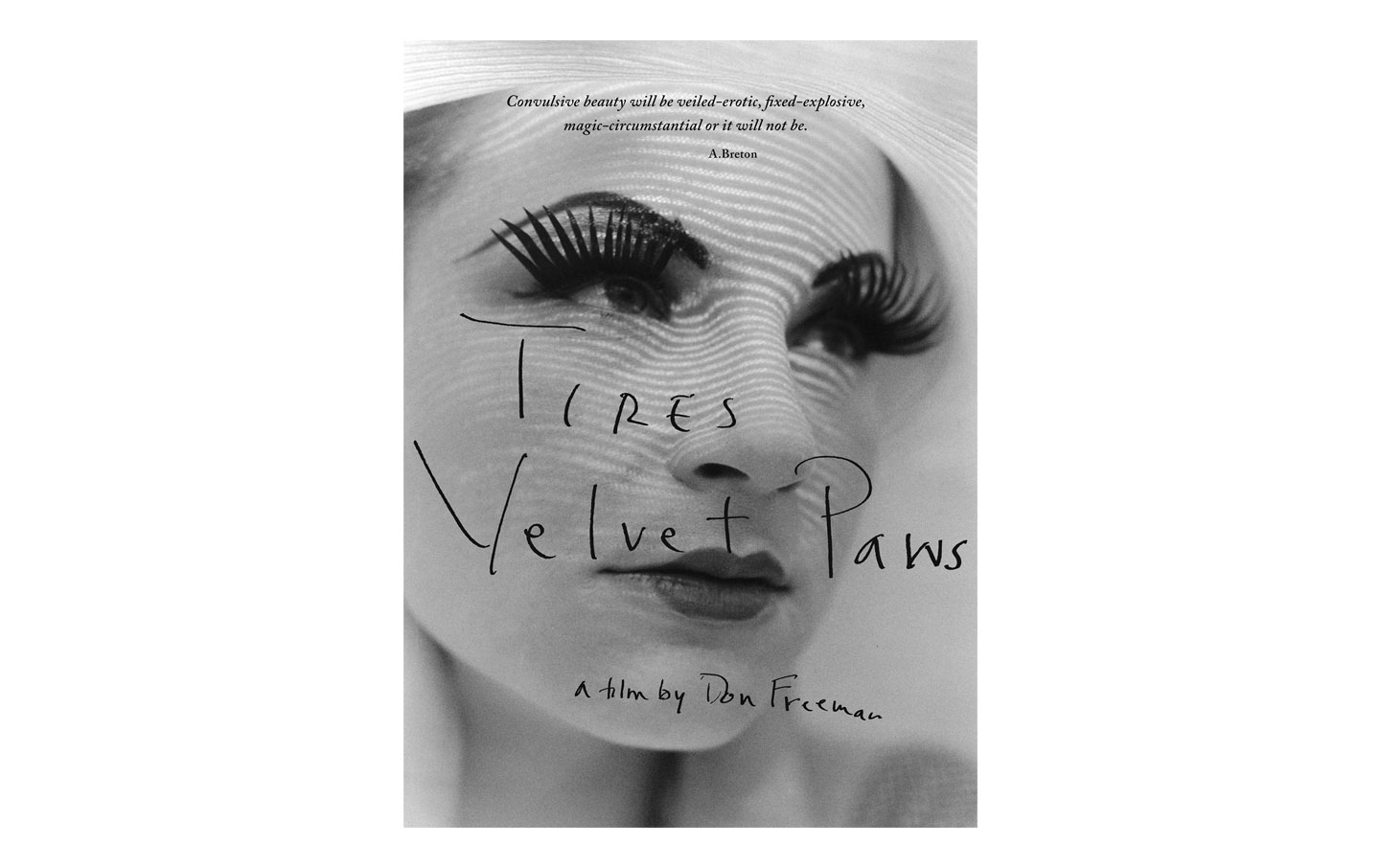
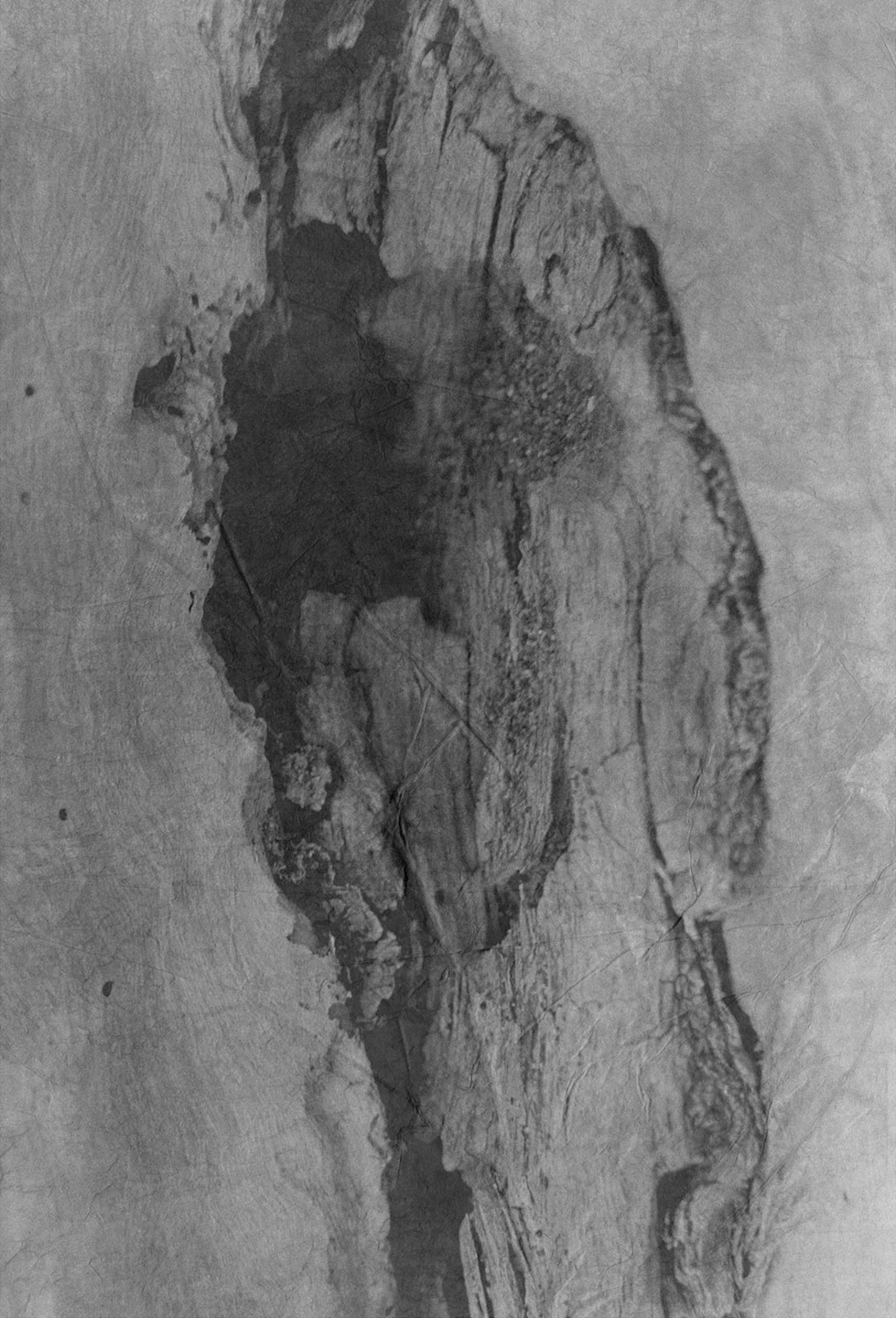
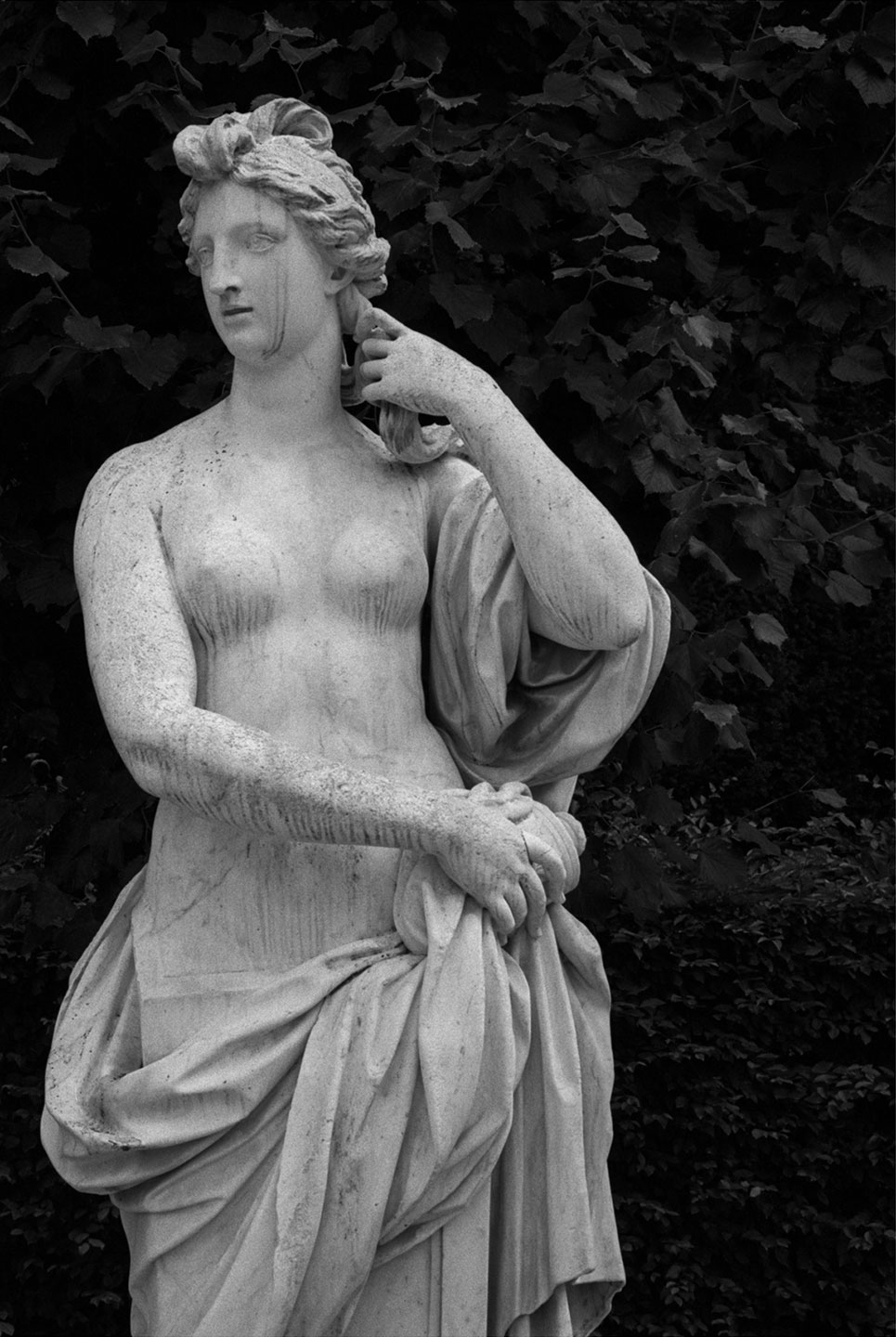
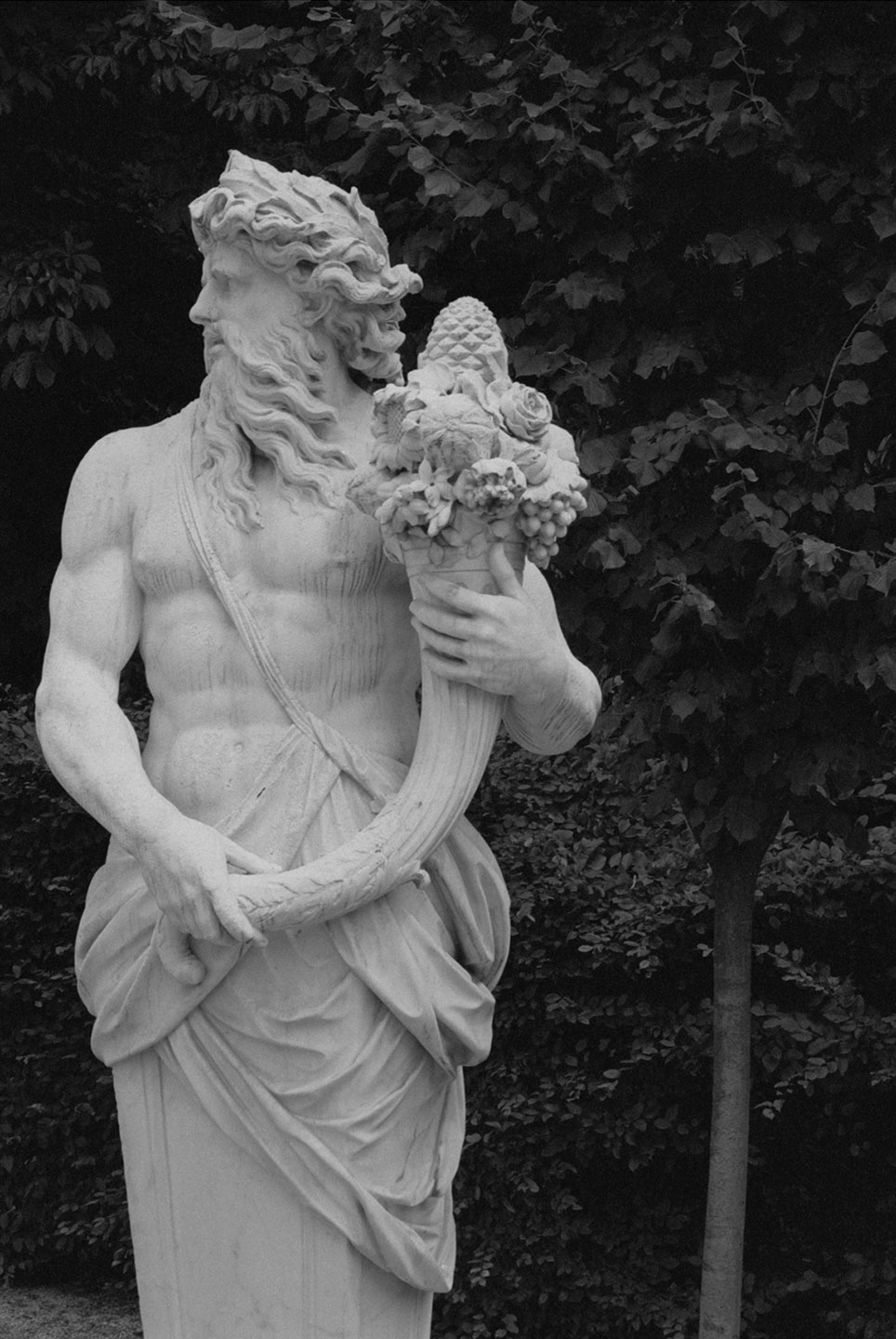
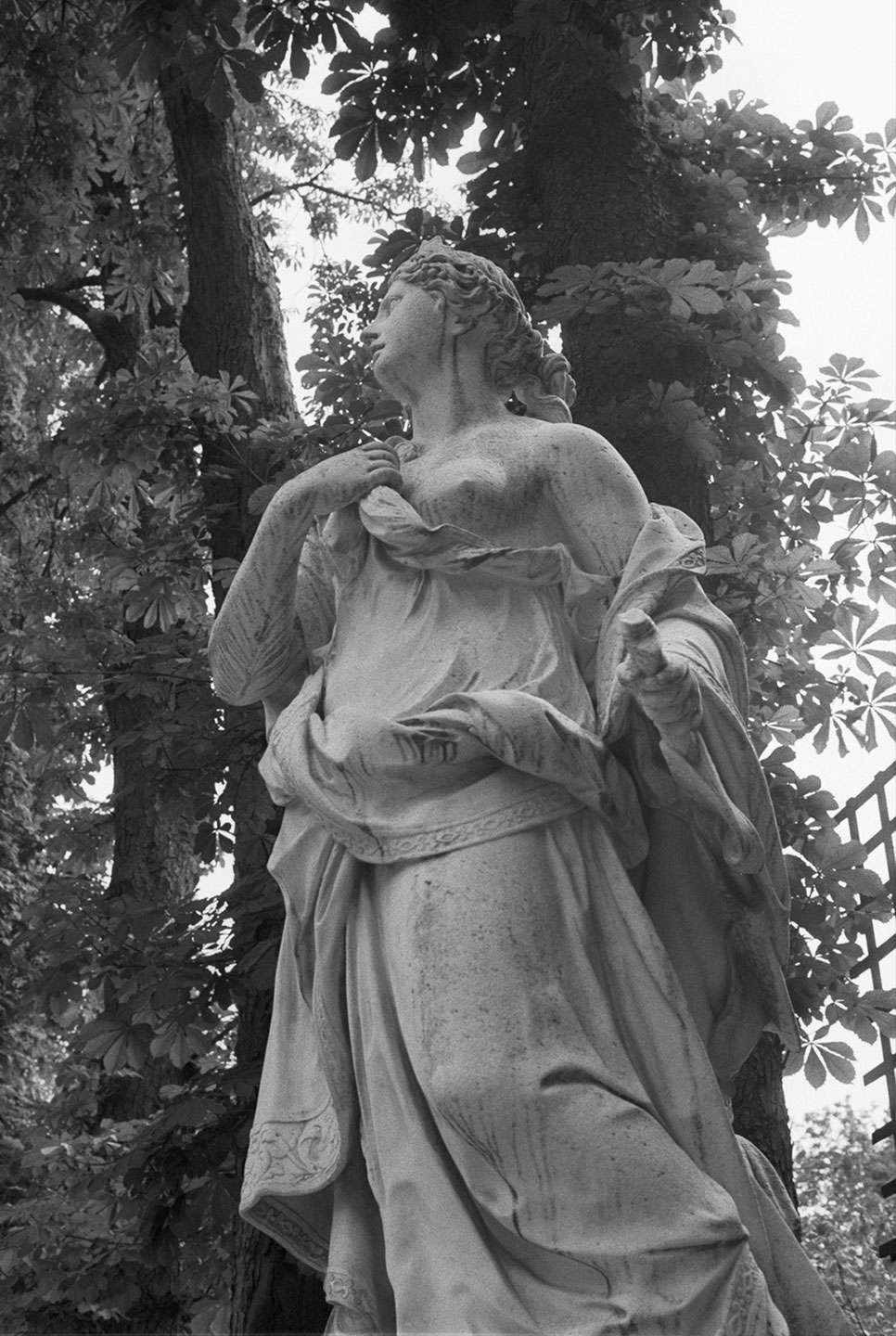
Don Freeman’s photographs and filmmaking explore the interplay of memory, place, and imagination. Bringing together the film Tires Velvet Paws and digital prints from three photographic series—Driftwood, The Gardens of Versailles, and Branches—this exhibition considers how sustained attention can render familiar landscapes strange, intimate, and evocative.
Begun in Paris in 1991 and filmed over thirty years, Tires Velvet Paws is a forty-minute black-and-white Super 8 film inspired by André Breton’s Nadja (1928). Slow-moving tableaux and fragments of Breton’s text compose a dreamlike portrait of Paris, shaped by mood and intuition rather than conventional narrative. Freeman’s film draws on the novel’s pursuit of the marvelous within everyday experience, approaching the city as a space where observation and projection become difficult to separate. Within this framework, Nadja emerges as both a figure encountered and a presence through which the narrator’s desires and philosophical preoccupations take form.
The photographic series extend this attention to the evocative qualities of place. Made at Rolling Bay Beach on Bainbridge Island, Washington, Driftwood returns to a landscape Freeman knew as a childhood refuge. The Gardens of Versailles observes the garden’s statues in winter, while Branches, photographed in Aix-en-Provence, France, presents a botanical study of branching forms. Across these works, natural structures and sculpted figures invite close consideration of surface, gesture, and the passage of time.
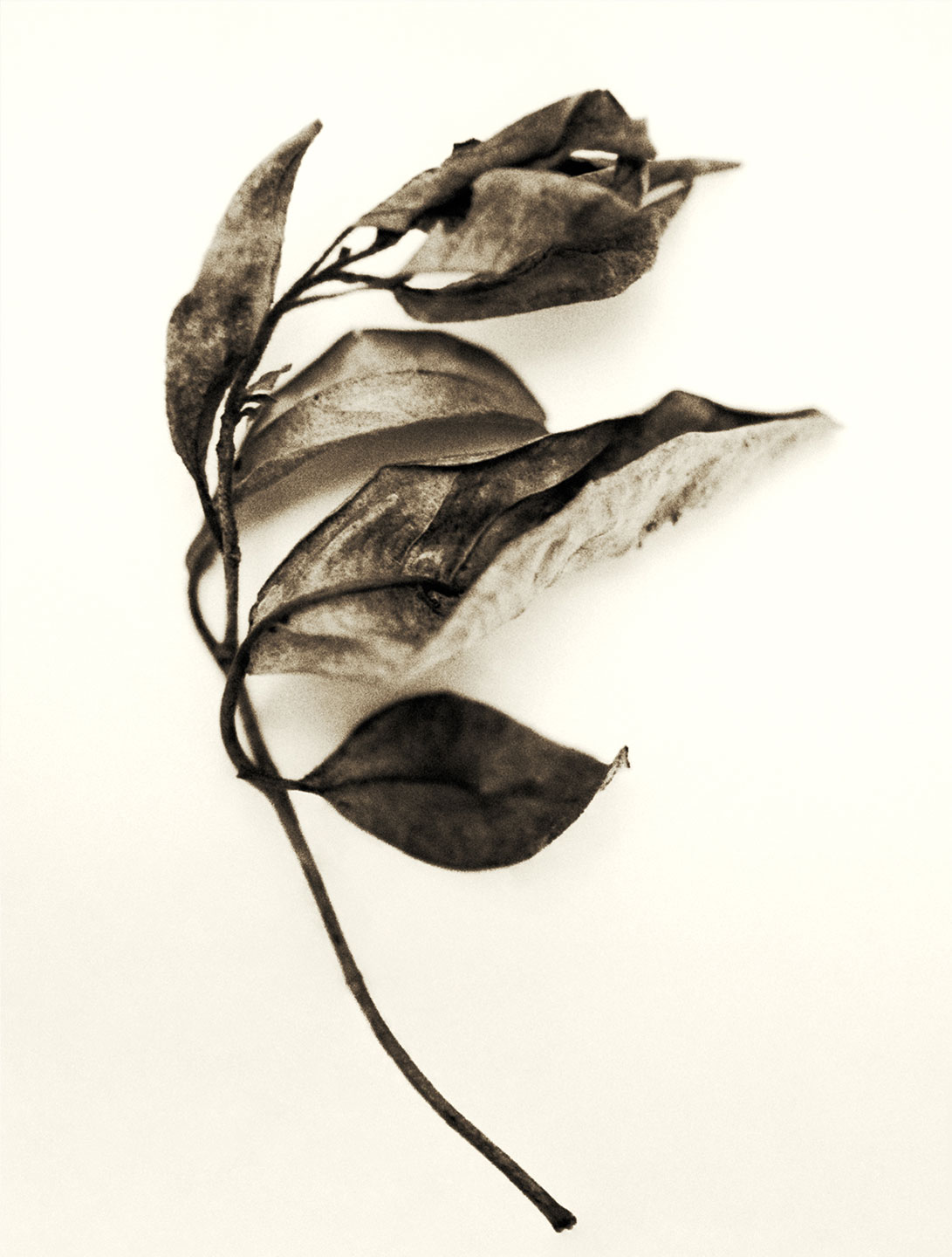
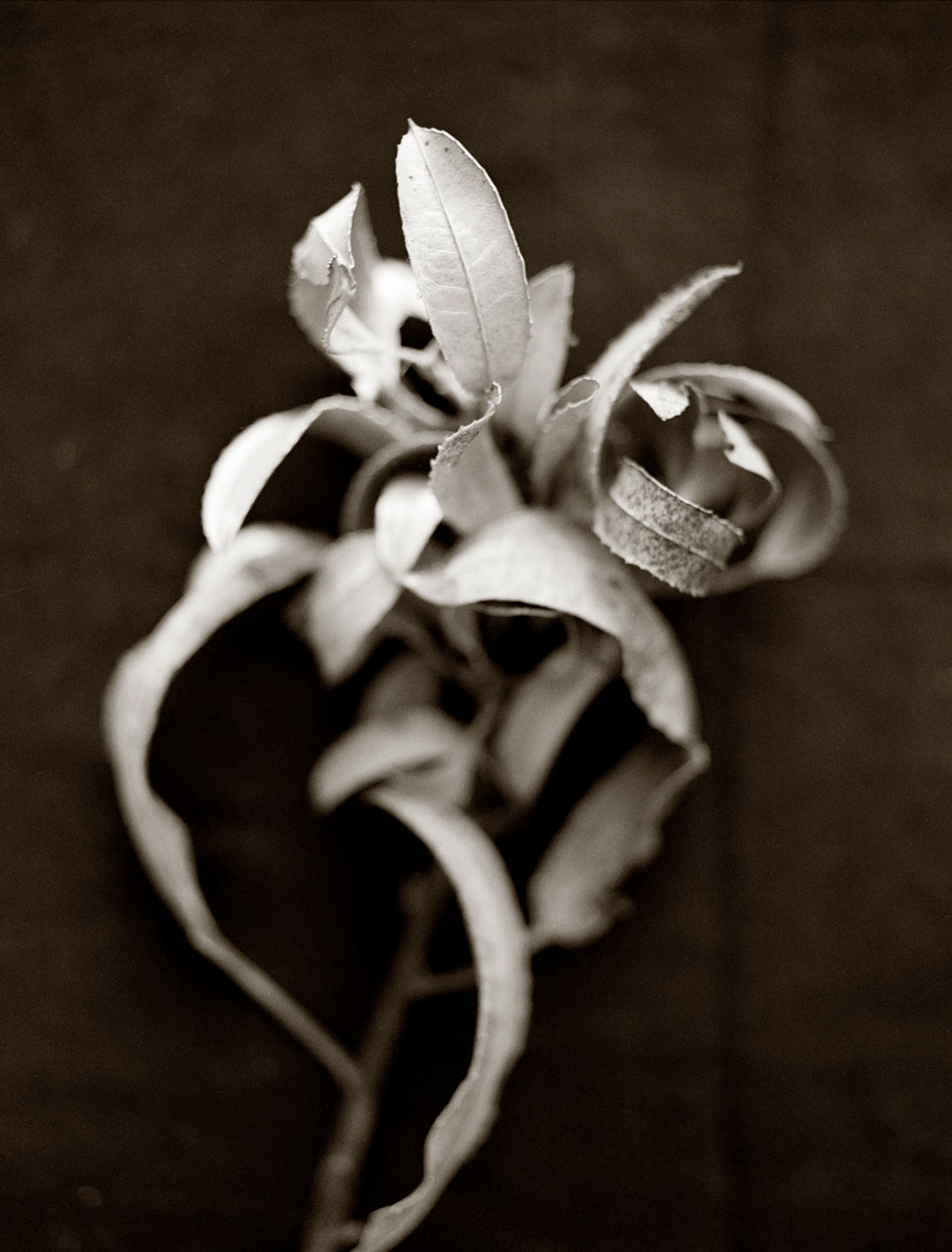
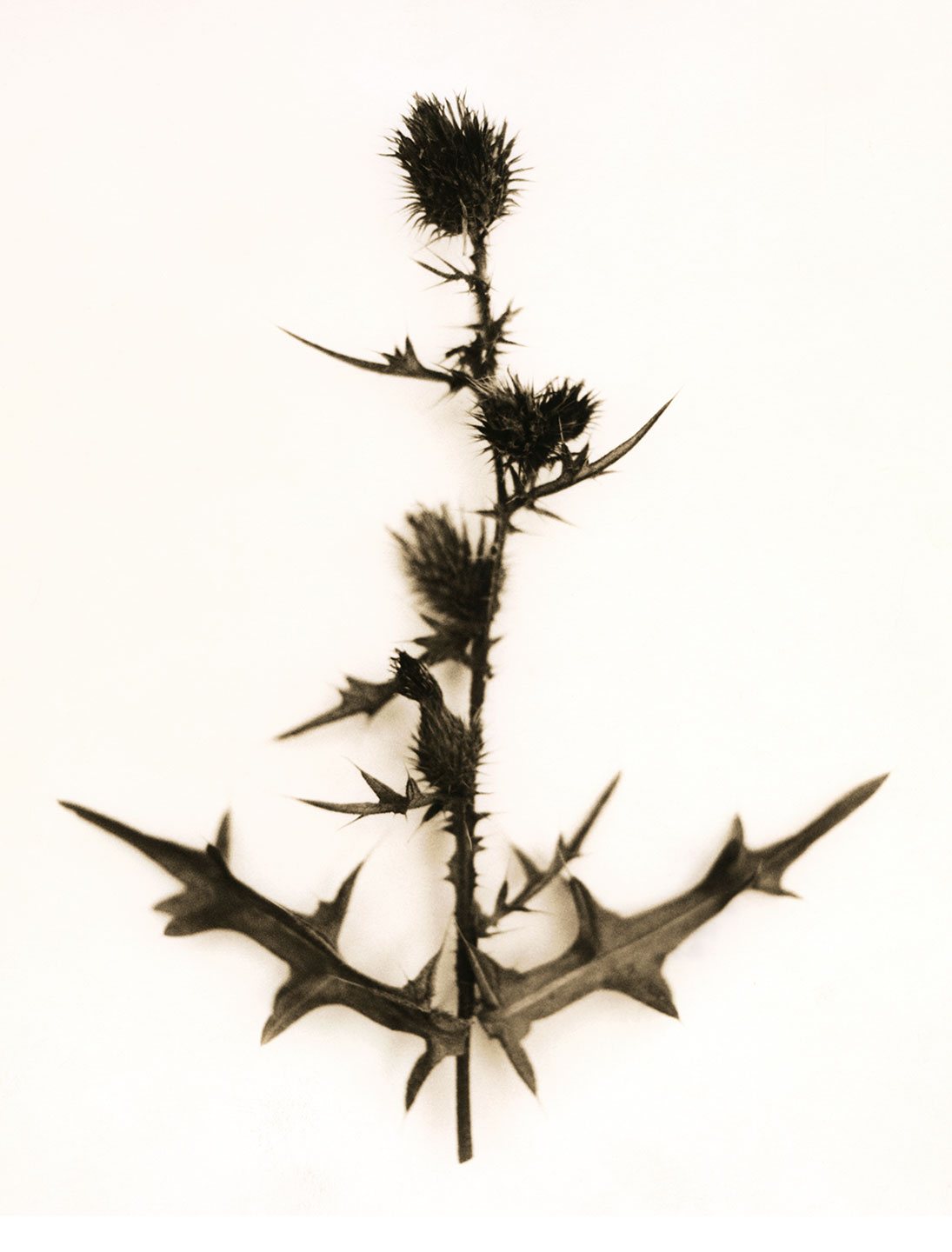
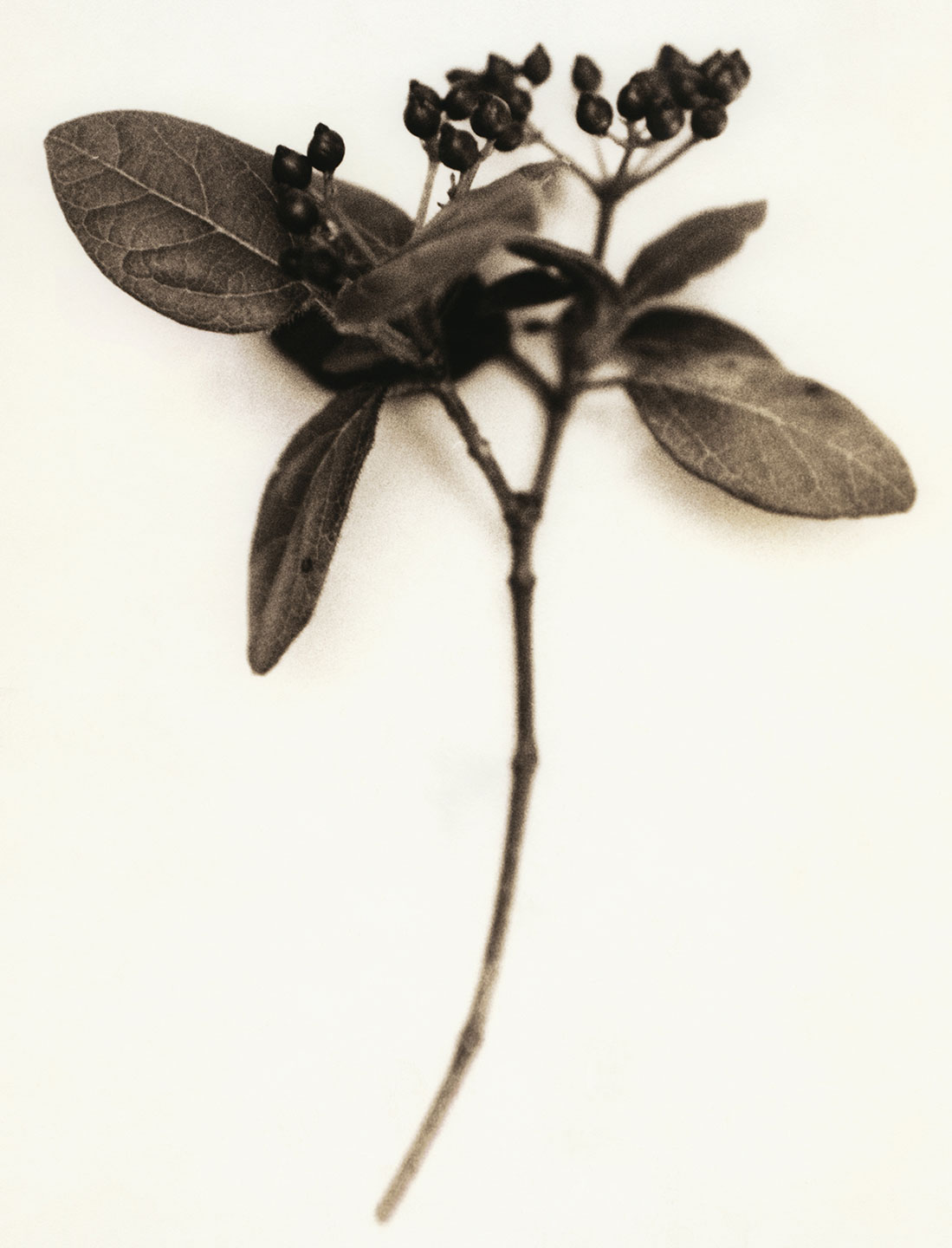
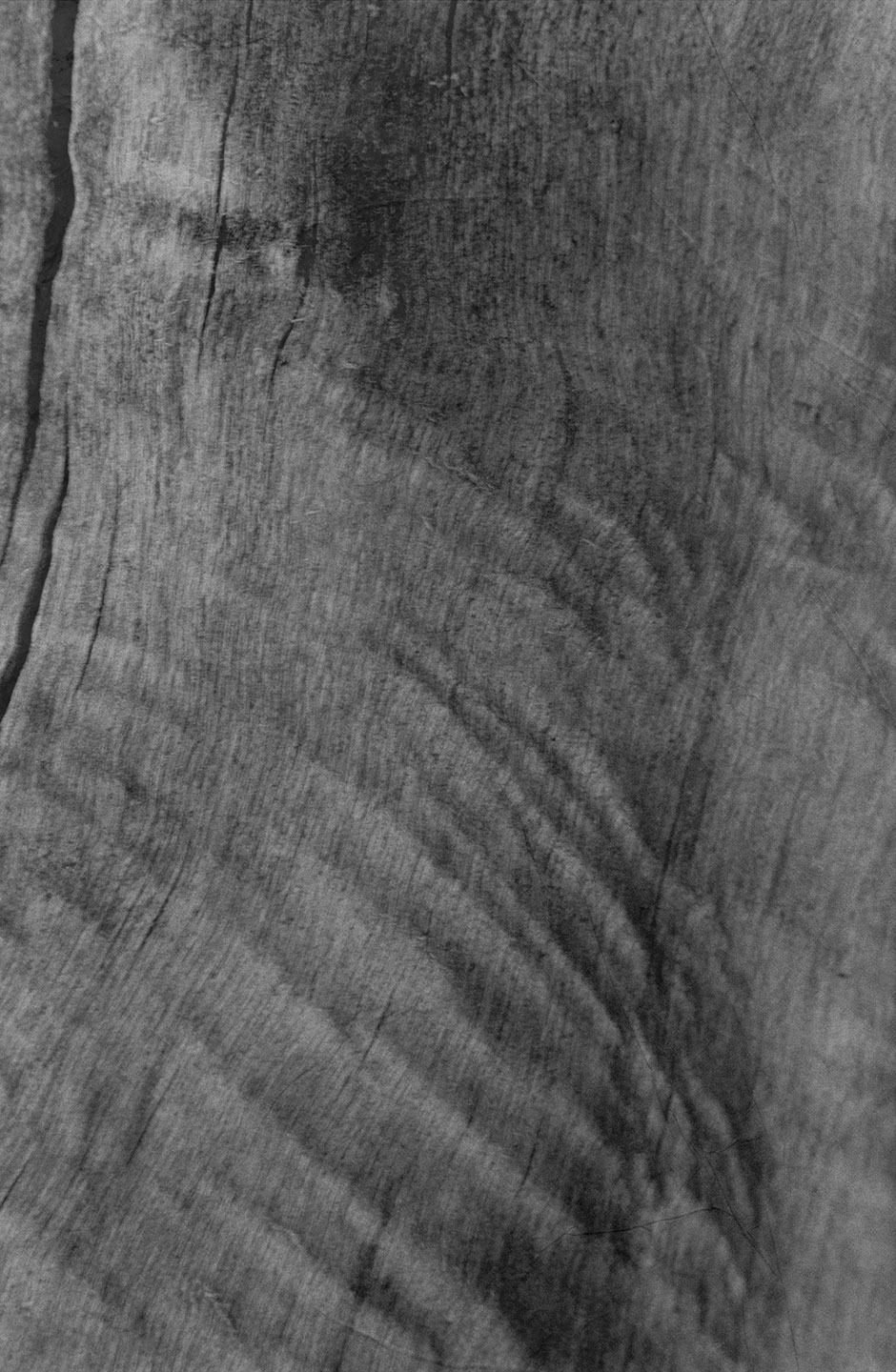
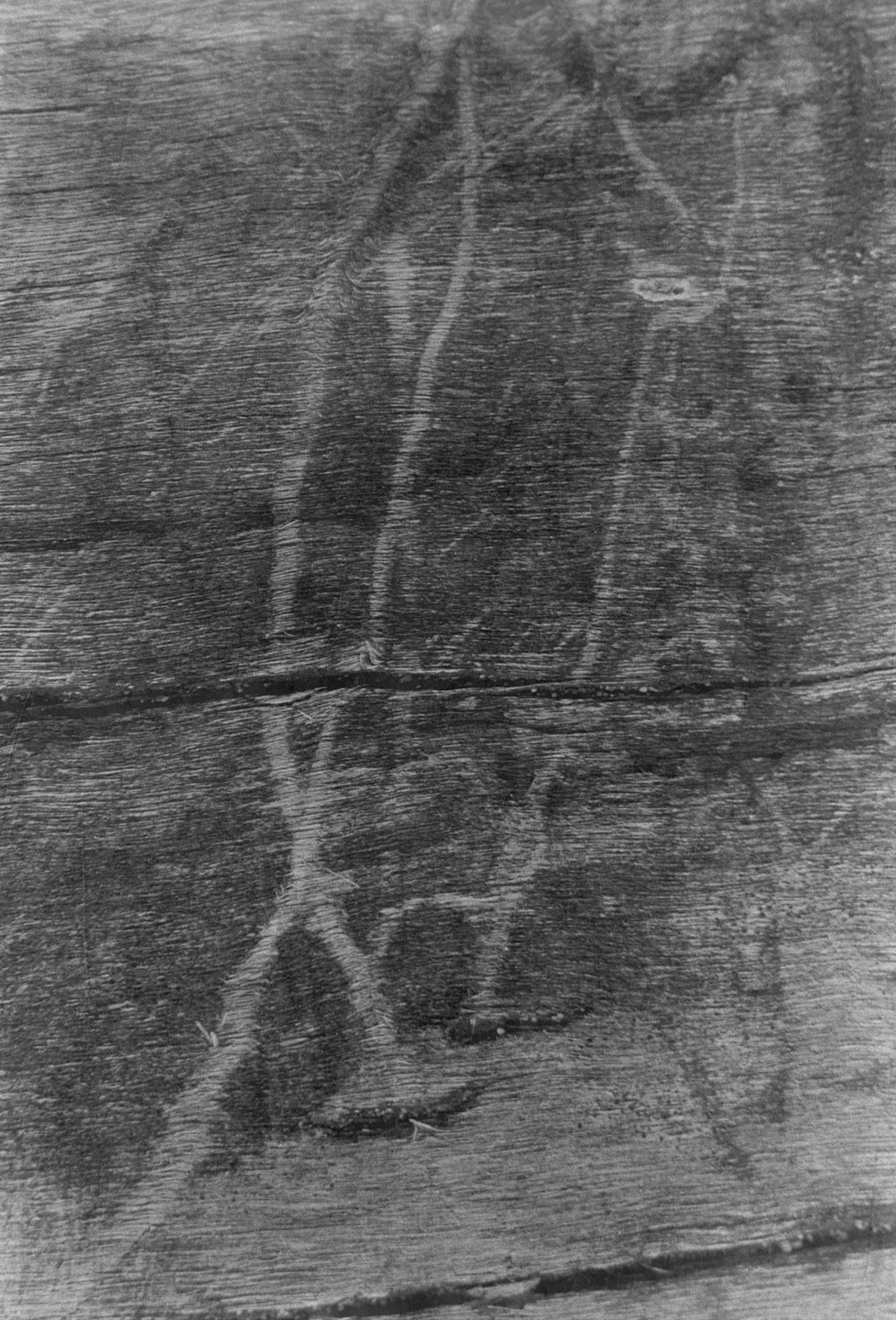
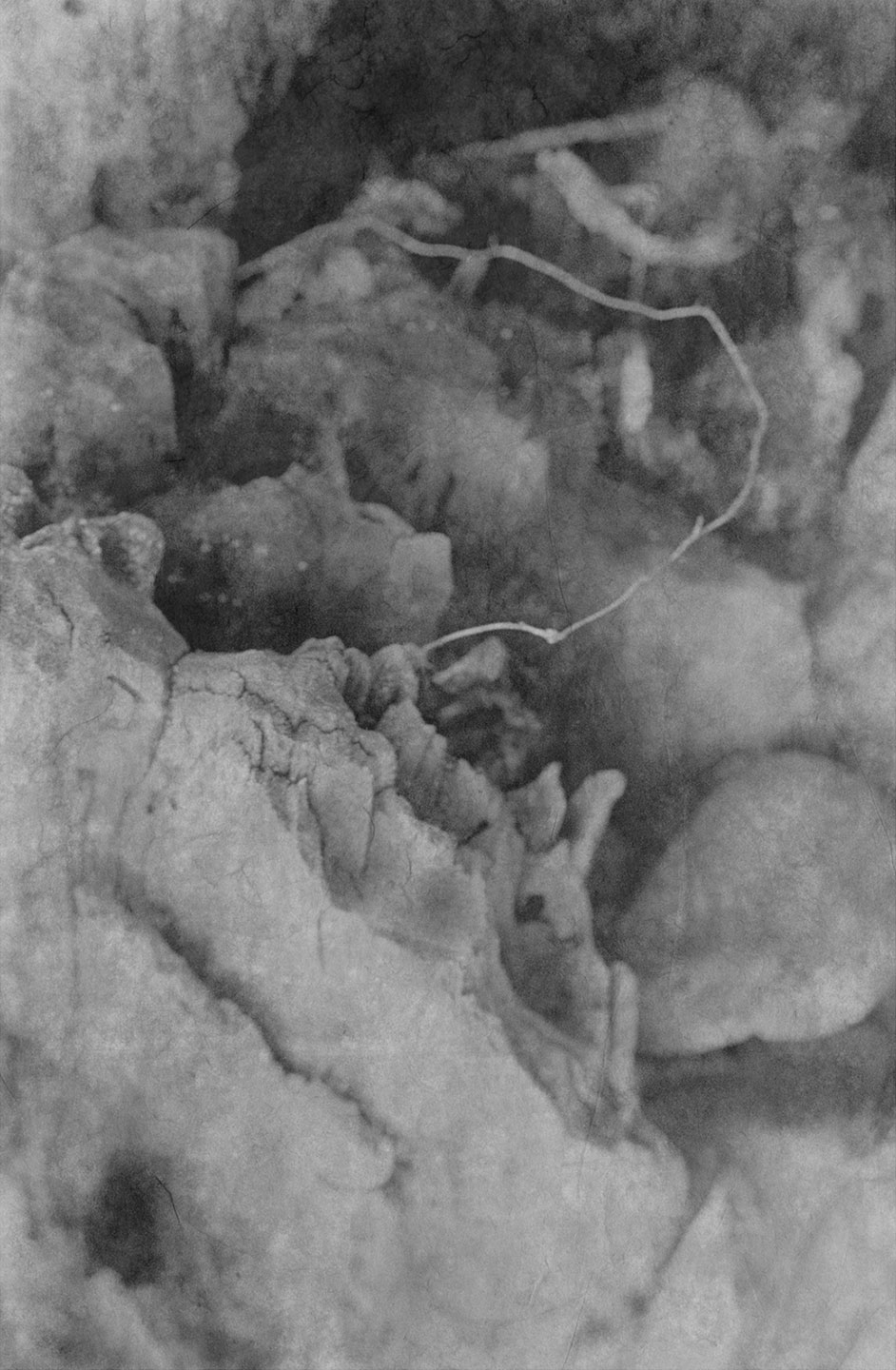
I am a fine art photographer working exclusively with 35mm black and white film. Over almost 30 years I have exhibited my work experimenting with the medium. I created Blueprints (a diazo process that uses an architectural process), and silkscreen on painted surfaces. In the darkroom I made silver gelatin prints and toned them to create color and textures. My subject matter is nature, found objects from museum collections, and still lives. I have also made short super8 black and white films that are inspired by Maya Deren, Carl Dreyer and Chris Marker (to name a few) and are a major part of my work.
Tires Velvet Paws is my latest film, shot entirely in Super 8 Black and White Film. Inspired by Andre Breton’s semi-autobiographical novel, Nadja (1928), Tires Velvet Paws begins as an homage to Surrealism, before turning into a reckoning with the movement’s treatment of women, madness, and artistic desire. The film blends slow-moving tableaux, classical music, and fragments of Breton’s text into a dreamlike portrait of Paris, guided more by mood and intuition than conventional narrative.
I started filming in Paris in 1990 when I met my "Nadja" at a Flea Market, and like André novel I felt inspired to tell his story in my point of view.
30 years later, after the disclosure of Nadja's True Identity (long erased by history) and the release of the letters she wrote to André Breton in 2002 inspired me to finish the story and create my own ending. In the book, the relationship ends with Nadja being committed to a psychiatric hospital, and finishes with the famous line "Who are you Nadja....are you me, are you myself"
I wanted to explore the possibility that I myself am both Andre and Nadja, with my camera as the POV. I am a gay filmmaker and have often identified as bi-sexual or at least having elements of female and male desires. By making not only Nadja the muse in my film but also Andre.
Having the film restored and digitally transferred, as well as bringing it up to 2K resolution and de-noised was the major cost of production (which I paid for myself). I also wanted an original soundtrack with music from the period (Debussy, Ravel, Satie and others) performed on cello and piano by local musicians, recorded at a sound stage in New York. I obtained the rights to use 500 words from the publishers or Nadja and the Breton Estate, and the rights to Nadja's letters as well as a poem by Joyce Mansoor (a female surrealist writer from the same period and also unknown).
I think the film aligns with your mission as it is not only a work of art , explores a work of art, but also sheds light on the Women behind the Surrealist movement dominated by Men. The film becomes an elegy for the woman (Léona-Camille-Ghislaine Delcourt) behind one of Surrealism's most enduring characters.
My Film, Tires Velvet Paws (a reference to a line in The Magnetic Fields by André Breton) is based on the novel Nadja by the same author-the leader of the Surrealist movement in Paris 1920's. My film, like the book, is a semi-autobiographical story that chronicles a brief, intense, and obsessive 10-day love affair in 1920s Paris. Part philosophical meditation and part love story, the film is as much about the strange, enchanting nature of Paris itself as it is about Nadja. My film goes beyond the book, twenty years later to imagine Nadja living in the countryside (a recovered Schizophrenic) and returning to Paris to reclaim her identify, not as a abstract muse, but as a real woman. Léona-Camille-Ghislaine Delcourt, long denied and erased by history. The film becomes an elegy for the woman behind one of Surrealism's most enduring characters.
In New York , around 1994, I would project the film I shot in Paris on a projector and knew it was incredibly beautiful and that I would finish it one day. But I felt the book was unfinished and so was the film. 21 years passed. In 2015, I produced, shot and edited a 60 minute documentary called Art House. I learned how to edit in Premier Pro and was learning more about scanning and processing the Super8 footage. Eventually more information became available as to the true identify of Nadja and exactly what had happened to her. Until then, her identity was withheld by her family, and André Breton insisted that the character was fictional. Her name was Leona-Camille-Ghislaine Delcourt and had been institutionalized to a mental hospital shortly after the book Nadja was written. I believed that I had found the ending to my film, had the footage digitized (over 5 hours approximately) and began thinking of filming the ending in Germany where my friend had a farm house, and in Paris. But Renate , who played Renate in my film) had left Paris, married and was probably living in Vienna, where she was from.
